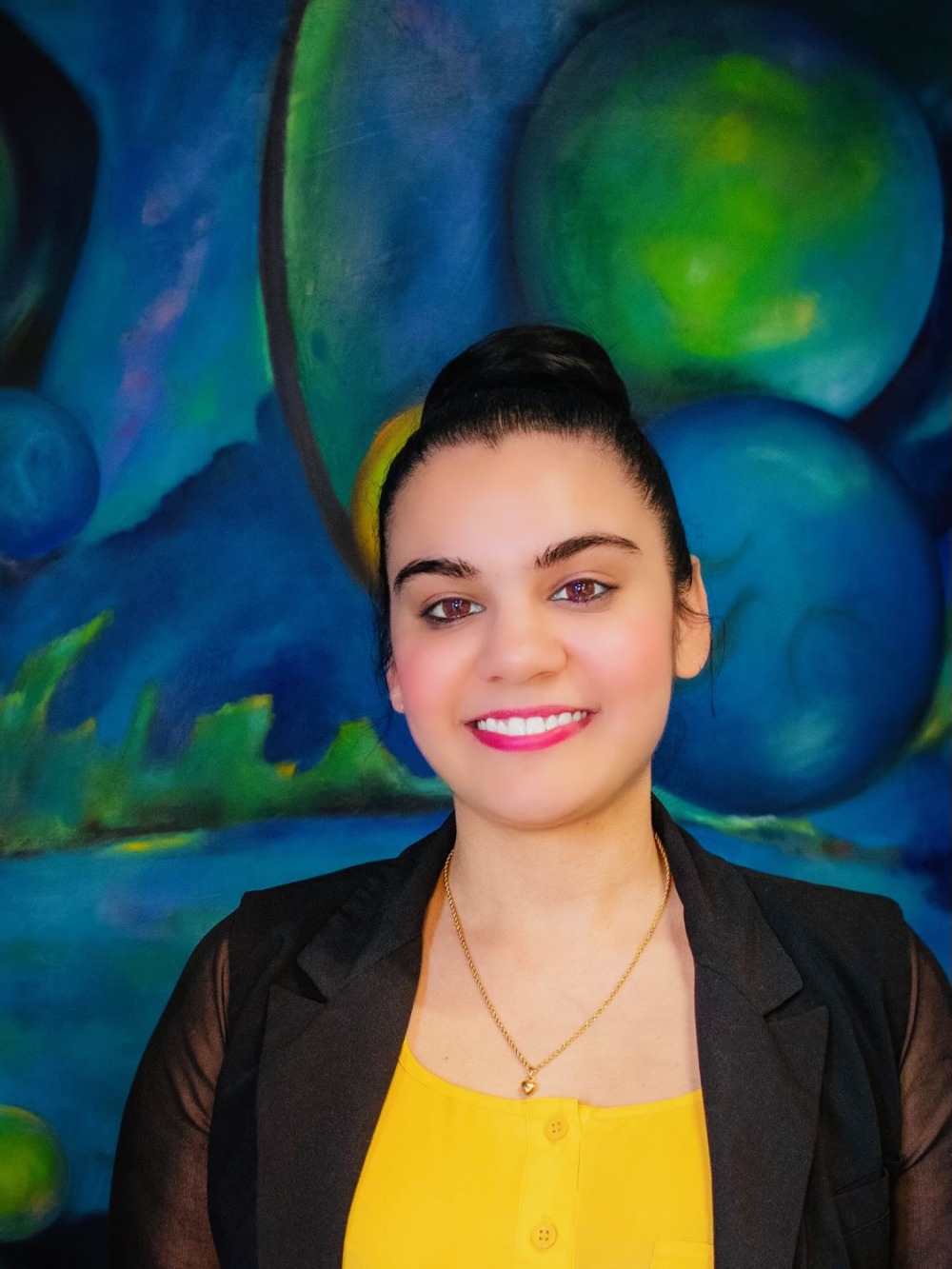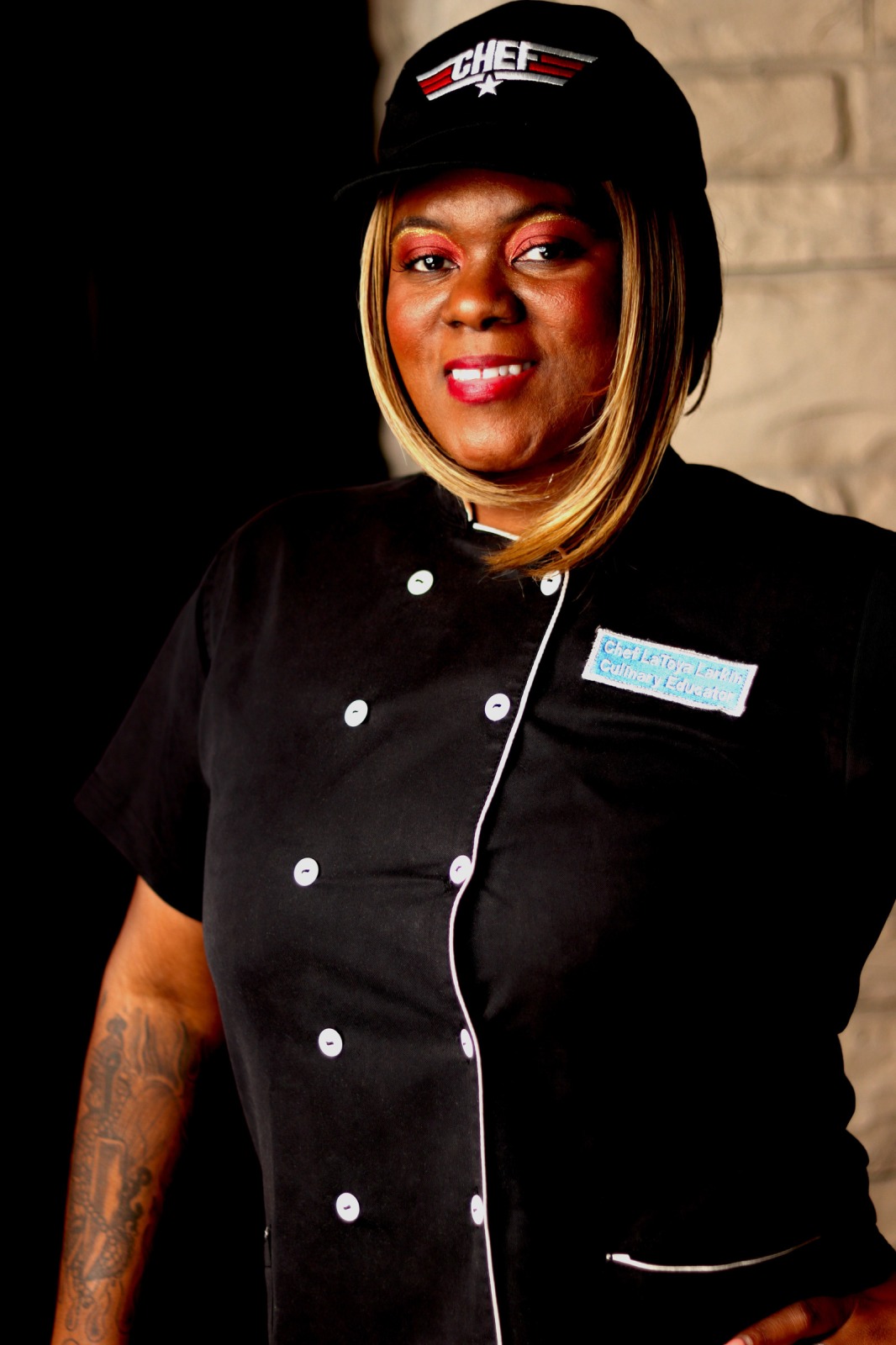
Chef LaToya Larkin is a classically trained chef, culinary educator and serial food entrepreneur who turned a tray of leftover collard greens into Black Girl Tamales, a nationally recognised soul food tamale brand. Over more than 25 years in the industry she has moved from the classroom to the kitchen, built four complementary businesses, become a Wall Street Journal and USA Today best-selling author, and is now taking her next venture into food-tech and new markets.
Table of Contents
- From the Classroom to the Kitchen
- How Black Girl Tamales Was Born
- A Portfolio of Purpose-Driven Ventures
- Recognition, Grants and Accelerators
- Scaling From Direct-to-Consumer to Wholesale
- What Other Entrepreneurs Can Learn From Her
- Frequently Asked Questions
From the Classroom to the Kitchen
LaToya Larkin spent eight years teaching high-school culinary arts before walking away from the profession in 2021 to run her food businesses full time — the moment she calls the day she finally “bet on me”. She is a third-generation tamale maker from Jasper, southeast Texas, who has now been cooking professionally for more than 25 years, first in restaurants and then in classrooms and her own companies.
Her academic path is as deliberate as her cooking: an associate degree in culinary arts from the Art Institute of Houston, a bachelor’s in culinary management from the Art Institute of Atlanta and an MBA in nonprofit management from Springfield College. In Houston’s Spring Independent School District she became the first Black chef to lead the district’s culinary programme, teaching at Spring High School — the same campus where she graduated in 1999 — from 2013 to 2021 (Mastercard, 2024; ShoutoutHTX, 2021). She also spent eight years in restaurant kitchens, including two years as a pastry chef at Pappadeaux Seafood Kitchen (Houston Chronicle).
Leaving a salary with only “five more checks” left terrified her, but the timing was right: the pandemic pushed her side hustle into a full-time business, and she retired from public-school teaching at 40 to focus on her own concepts (CanvasRebel, 2022).
How Black Girl Tamales Was Born
Black Girl Tamales was born in 2019 when Larkin wrapped leftover collard greens and smoked turkey from a Mother’s Day brunch catering job in tamale masa — her son Xavier’s verdict was “Mama, you trippin’.” He soon changed his mind, and so did her clients, and the brand has been scaling ever since.
The origin story is rooted in family: her grandmother Rosa Sears learned tamale-making from a Mexican friend in Southern California in the 1960s, brought the craft back to Texas and taught her daughter and then eight-year-old Larkin (Texas Monthly, 8 March 2023). What Larkin added was fusion: oxtail, smothered pork chop, smothered chicken, gumbo, crawfish and shrimp étouffée, boudin, jambalaya, red beans and rice, jerk chicken and vegan options, alongside the best-selling collard greens and smoked turkey tamale.
Demand exploded during the 2020 lockdowns. With a commercial kitchen closed and operations moved home, Larkin taught her teenage son to hand-roll tamales, and together they assembled more than 102 dozen in a single day (Cuisine Noir, 2020). A 2020 feature in Cuisine Noir sent orders pouring in nationwide, and the brand formally launched in September 2019 (Houston Chronicle; Specialty Food Association, 24 June 2025).
A Portfolio of Purpose-Driven Ventures
Larkin does not run one business, she runs an ecosystem in which every venture feeds the others: Black Girl Tamales, Not Enough Thyme Personal Chef Services, the nonprofit It’s Thyme 4a Change, and Divah Chef Apparel.
- Not Enough Thyme Personal Chef Services, launched in 2006, covers healthy meal prep, in-home dinner service and catering — the cash-flow engine that survived her restaurant years and the pandemic.
- It’s Thyme 4a Change is a 501(c)(3) that teaches at-risk youth culinary and entrepreneurial skills, turning her classroom experience into community impact.
- Divah Chef Apparel sells shirts, aprons and chef jackets — merchandise that also markets the brand.
- Black Girl Tamales sells direct-to-consumer online, from her Houston base and, more recently, through delivery platforms.
She also operates Mango Deli & Cafe in Houston’s Energy Corridor, the physical home of her tamale freezer case (Texas Monthly, 2023), and in 2026 she added Mise en Cost, a menu-costing tool that turns recipes and receipts into profit insights for food entrepreneurs — the culinary-tech app she first described building in her IdeaMensch interview. If you are weighing a similar kitchen-based venture, our guide on starting a meal prep business from your kitchen covers the fundamentals.
Recognition, Grants and Accelerators
Larkin’s growth has been accelerated by a stack of accelerators, grants and mentorships, not by outside investment. She is a Wall Street Journal and USA Today best-selling author thanks to Business Secret Success: Entrepreneurial Thinking That Works (Leaders Press), a collaboration with more than 30 authors that also hit number one on Amazon in eight categories (AB Newswire, 2021), and she was named to the Brainz 500 Global list of successful international entrepreneurs (Brainz Magazine, 2021).
The institutional support is equally substantial. She graduated from the Goldman Sachs One Million Black Women: Black in Business programme and, in January 2023, supplied the firm’s New York office with twenty dozen tamales for a holiday party (Texas Monthly, 2023). She completed Mastercard’s 24-week Strive USA programme — combining the Digital Doors curriculum with Our Village United’s Elevated cohort under BeyGood’s Black Parade Route — and Black Girl Tamales was selected from among hundreds of small businesses for a Mastercard Priceless Surprise marketing shoot (Mastercard, 7 February 2024). She also earned a wine sommelier certification through the McBride Sisters She Can Fund scholarship (Mastercard, 2024), joined the Specialty Food Association’s Maker Prep Course for emerging founders (SFA, 2025), and partners with the James Beard Foundation as a Legacy Mentor Chef. Grants mattered too: a Heinz grant focused on supporting Black-owned businesses helped fund the next stage of the brand (Houston Chronicle).
Her advice for founders chasing similar support is consistent: build the track record first, then let the programmes amplify it. For a broader map of what is available, see our roundup of business grants for women-owned businesses.
Scaling From Direct-to-Consumer to Wholesale
The brand’s next leap is a channel change: moving from direct-to-consumer e-commerce and pop-ups into wholesale, retail placement and food service for restaurants and hospitals — a partnership with a major U.S. retailer was already in progress when she told Mastercard about it in 2024.
The numbers justify the ambition. By March 2023 the collard green tamale was the number one seller at 100 dozen sold weekly (Texas Monthly, 8 March 2023), with the rest of the range rotating through seasonal flavours. That momentum sits inside a larger demographic shift: Black women are the fastest-growing group of entrepreneurs in the United States, yet remain less likely to access outside capital and more likely to start in crowded, low-margin sectors such as food (Chase analysis cited by Mastercard, 2024). Larkin’s answer is exactly the strategy this magazine promotes — ownership and systems rather than permission.
Geographically, the story is expanding too: after Houston, her IdeaMensch profile announces a move to Tulsa through Tulsa Remote, joining the revitalisation of the historic Black Wall Street district, with a new cookbook and memoir in progress (VoyageHouston, August 2025; IdeaMensch profile).
What Other Entrepreneurs Can Learn From Her
Three lessons stand out from Larkin’s 20-plus-year journey: own the table instead of asking for a seat, launch before you are ready, and protect your energy like revenue.
“Sometimes we have a seat at the table but get skipped and passed up,” she told ShoutoutHTX. “I became determined to not only have a seat at the table but to have stake and ownership in the table.” That conviction produced a portfolio of interlocking businesses rather than a single income stream — a practical hedge in an industry where, as she notes, margins are thin and access to capital is uneven.
Her operating habits are just as transferable. She works in 90-minute focus blocks followed by 30-minute resets, plans her weeks on Sundays, and launches minimum viable products instead of waiting for perfection: “Done is always better than perfect, and feedback only comes once you put it out there.” She also rejects the glorification of burnout, arguing publicly that struggle is not a prerequisite for success and that rest is part of the strategy — a mindset echoed in our pieces on innovators in the food and beverage industry and building a strong personal brand as a female founder.
Frequently Asked Questions
Who is Chef LaToya Larkin?
Chef LaToya Larkin is an award-winning American chef, culinary educator and entrepreneur based in Houston, Texas, and the founder of Black Girl Tamales. She has more than 25 years of experience, holds an MBA in nonprofit management, and previously spent eight years teaching high-school culinary arts in Spring Independent School District.
How did Black Girl Tamales start?
The brand started in 2019, when Larkin wrapped leftover collard greens and smoked turkey from a Mother’s Day brunch in tamale masa as an experiment. Her son and her clients loved it, and a 2020 Cuisine Noir feature turned the concept into a nationwide mail-order business.
What flavours does Black Girl Tamales offer?
Besides the best-selling collard greens with smoked turkey, the range has included oxtail, smothered pork chop, smothered chicken, gumbo, crawfish and shrimp étouffée, boudin, jambalaya, red beans and rice, jerk chicken, curry chicken and vegetarian options — all fusion fillings instead of the traditional chicken and pork.
Is Chef LaToya Larkin still teaching?
No — she retired from public-school teaching at 40 in 2021 to run her businesses full time. She still teaches indirectly: through the It’s Thyme 4a Change nonprofit for at-risk youth, as a G-Unity business coach, and through her books, speaking and mentoring work.
What awards and programmes has she completed?
She is a Wall Street Journal and USA Today best-selling author, a Brainz 500 Global honoree, a Goldman Sachs One Million Black Women: Black in Business graduate, a Mastercard Strive USA participant, a Specialty Food Association Maker Prep Course graduate and a McBride Sisters She Can Fund wine sommelier scholarship recipient.
What is LaToya Larkin working on now?
She is expanding Black Girl Tamales into wholesale and retail channels, writing an upcoming cookbook and memoir, relocating to Tulsa through Tulsa Remote to take part in the Black Wall Street revival, and building Mise en Cost, a menu-costing app for food entrepreneurs.
Conclusion
Chef LaToya Larkin’s career shows what happens when a skilled craftswoman treats her heritage as intellectual property. From a single experimental tamale in 2019 to 100 dozen sold weekly, national press, best-selling authorship and a new software venture, she has built ownership rather than waiting for invitation — on her own terms, flavour first.
Sources
- IdeaMensch — Chef LaToya Larkin: Award-Winning Chef and Entrepreneur
- Mastercard — Fusion and disruption: The soulful tale of Black Girl Tamales (7 February 2024)
- Texas Monthly — This Tamale Company Infuses Its Popular Dish With Soul Food Flavors (8 March 2023)
- CanvasRebel — Meet Chef LaToya Larkin (2022)
- ShoutoutHTX — Meet Chef LaToya Larkin (2021)
- VoyageHouston — Story & Lesson Highlights with Chef LaToya Larkin (August 2025)
- Specialty Food Association — Black Girl Tamales Founder LaToya Larkin on Building a Strategic, Soulful, and Scalable Brand (24 June 2025)
- Cuisine Noir — Black Girl Tamales Fuses Soul Food with South of the Border (2020)
- Houston Chronicle — Houston’s Black Girl Tamales combines Mexican and soul food
- Brainz Magazine — Chef LaToya Larkin, Executive Contributor
- AB Newswire — Educator Turned Award-Winning Chef, LaToya Larkin Disrupts the Culinary World (2021)