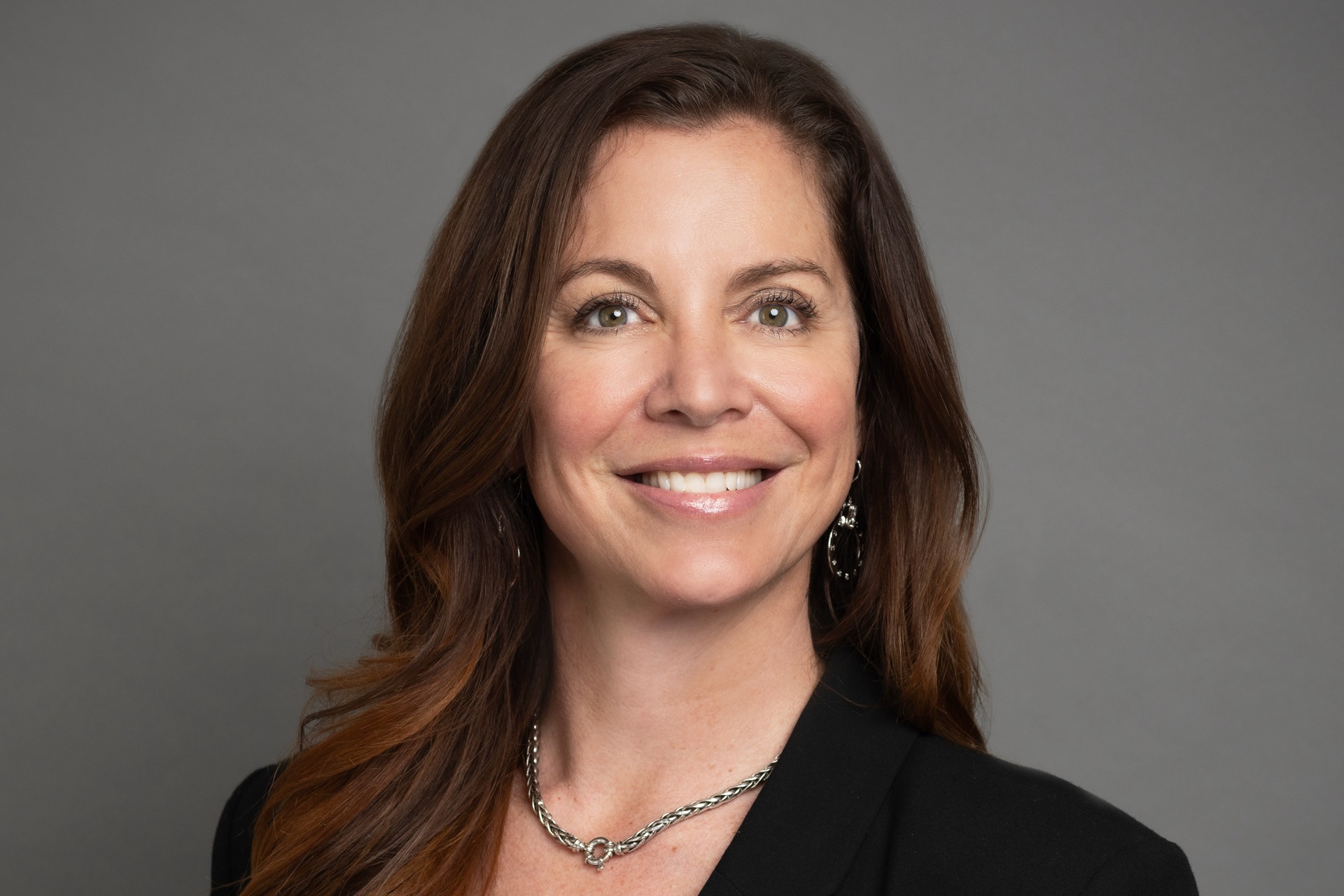
Pamela Edwards McClafferty has built a career the way a producer builds a slate: one asset at a time, each one financing the next. She sang on scholarship across Europe as a teenager, wrote a bestselling novel that Michael Landon optioned for television, and ran a fashion label sold at Bloomingdale's and Bonwit Teller. Then she sold that label, co-founded Spellbound Pictures with her husband, producer and writer Mark McClafferty, and helped assemble a $60 million, twelve-picture deal with Canal+ and Ellipse Programme.
Almost nothing in that sequence was planned, which is exactly why her story is useful to women building creative businesses. Her edge was not a single breakthrough but a repeatable method: make something, sell it, and use the proceeds to buy a bigger, slower, more valuable project. This profile looks at how she did it, what the numbers say about women in film production, and what founders can copy.
Table of Contents
- From the Stage to the Page
- The Business She Sold to Finance the One She Wanted
- A $60 Million Slate, Not a Single Film
- The Climb, the UNICEF Award and the Discipline of a Small Budget
- One Story, Many Formats: Books, Singles and a Musical
- "Imagination Doesn't Punch a Timecard"
- What Founders Can Borrow From a Producer's Playbook
- Frequently Asked Questions
- Conclusion
- Sources
From the Stage to the Page
Pamela Edwards McClafferty began in music, and she still describes her working method in musical terms: she writes from the lyric first, then builds everything else around it. That habit — start with the words, then assemble the production — is the same one she later applied to novels, films and a stage musical.
She started singing at eleven. At seventeen she toured Europe with the Southern California Youth Chorale, performing in fifteen countries, including East Berlin and Czechoslovakia before the wall came down. She studied music at the University of Arizona and won two scholarships to the Los Angeles Civic Light Opera, then went on the road with groups including The Unusual We, recorded an album that arranger and producer Harold Battiste later remixed — it still sells in Japan and South Korea — and appeared on The Tonight Show with Johnny Carson. She also performed at the Hollywood Bowl.
What changed her trajectory was a journal. She had been writing stories since she was eleven, and one of them kept growing while she was touring. "As much as I loved music, my heart and soul called out for me to write a story I had worked on while on the road," she told Music's Week. That story became a bestselling novel.
The Business She Sold to Finance the One She Wanted
Her first real company was a fashion label, and selling it is what made the film company possible. The novel, In the Name of Todd, was optioned by Michael Landon for a miniseries, and its success pulled her into design: her Pamela Edwards line sold on Seventh Avenue in New York to Bloomingdale's, Bonwit Teller and more than ninety specialty stores, and was covered by WWD.
Most founders treat a sale as an exit. McClafferty treated it as working capital. In the 1990s she sold the design business and put the proceeds, and her credibility as an operator, behind a new company with her husband and best friend, producer and writer Mark McClafferty. The lesson is unglamorous but durable: a profitable, sellable business is leverage. It buys the right to attempt something slower and riskier, and it gives investors a reason to take the meeting.
That pattern — build a cash-generating asset, then reinvest it in the more ambitious idea — is the same one behind founders like Kristy Kim, who turned a frustrating credit record into a fintech company, and Ciara Siegel, who took big-brand marketing discipline into small businesses.
A $60 Million Slate, Not a Single Film
Spellbound Pictures, formed in 1996, did not raise money for one movie. It packaged twelve. McClafferty and her partners built an international consortium and completed a $60 million, twelve-picture deal with Ellipse/Canal+, the French entertainment group, to supply the United Artists Theatre Circuit with a steady flow of family films. Mark McClafferty was named chairman of the consortium.
That structure is worth studying because it solves the problem independent producers usually die of: a single film is a binary bet. A slate spreads risk across titles, gives a buyer a pipeline instead of a product, and turns a one-off negotiation into a multi-year relationship. For a first-time producer with no library, it is also the only credible way to ask for eight figures.
The data explains why this mattered then — and still matters. In 2025, women accounted for 28% of producers and 23% of executive producers on the 250 top-grossing domestic films, according to San Diego State University's Celluloid Ceiling study. Producing is the role where women are closest to parity, and it is the role McClafferty chose: not waiting for a studio to hand her a green light, but assembling the money herself.
The Climb, the UNICEF Award and the Discipline of a Small Budget
The Climb, released in 1999, is the film that proved the model. Directed by Bob Swaim and produced by McClafferty, Mark McClafferty and Tom Parkinson, it is a 94-minute family drama built around a twelve-year-old boy, his disgraced father and an irascible neighbour, played by John Hurt alongside Gregory Smith, David Strathairn and Marla Sokoloff. It was made for roughly $6 million — modest for a period drama with a name actor.
The returns came as awards rather than a wide release. The Climb won the UNICEF Award at the Berlin film festival, the Jury Grand Prix at Vienna, the Pierrot d'Or, a special mention at Montreal, the Prix du Public at Giffoni, Best Picture at the New Zealand Film Awards, and prizes at Houston, Flagstaff and Temecula. Variety reviewed it at the Cannes market in 1997 and called it "a solidly crafted family film." International sales ran through Spellbound itself, which kept the company in control of its own catalogue.
She paired that prestige work with plainly commercial projects, executive producing Katt Williams Live for Comedy Central and its platinum DVD. That mix is a portfolio decision, not an artistic compromise: the comedy special generates cash, the family film generates awards and catalogue value, and each one makes the other easier to finance.
One Story, Many Formats: Books, Singles and a Musical
Spellbound's second act is about owning stories across formats instead of renting them out once. The clearest example is BLUE, the novel by Walter Jones that McClafferty edited. It became a Spellbound bestseller, stayed on and off the Amazon bestseller lists, and was reissued in a third edition in 2024 — a publishing asset that keeps earning from a single editorial investment.
The same logic runs through her music. Her NOW album rolls out one single at a time: "Shades of Black and White," written with rapper Clash, then "Reflections," sung by Lain Roy with strings by Tzuriel Tong, then "Soldiers Not Forgot," a ballad for veterans inspired by her father and father-in-law. Five more singles are planned for 2026. Releasing monthly keeps a small catalogue in the conversation without a marketing budget.
Then there is Artland, the musical she created with jazz bassist and composer Stanley Clarke, who wrote the music while she wrote the book and lyrics. It took more than a decade, five readings and four workshops to finish, spent six months as the first original musical in the curriculum at the Los Angeles County High School for the Arts, and workshop-performed at the Caroline Leonetti Ahmanson Theatre before heading to New York. Very few founders would keep funding a project for twelve years; very few musicals survive without someone who does.
"Imagination Doesn't Punch a Timecard"
McClafferty runs her business around the clock, and she says the discipline is less about hours than about selection. "My business is 24/7. Every day has a purpose. Every day has goals," she told IdeaMensch. "The imagination doesn't punch a timecard."
Two habits stand out for anyone building a company. The first is filtering: she says she used to look for a positive in every project, and now only works on projects she completely believes in. The second is resisting trend pressure — "I don't adhere to trends much — they can stifle creativity. I listen and I learn, but I guard originality."
She is also unsentimental about failure, which she treats as inventory rather than identity. "I don't have one failure, I have many," she said, citing rejected drafts and designs that fell apart, along with lost money and credibility. Her framing comes from a gift her father gave her at ten: John Wooden's Pyramid of Success. Her summary of the method is a Malcolm X line she repeats — "Stumbling is not falling." When she feels overwhelmed, she says, she winks at herself in the mirror.
What Founders Can Borrow From a Producer's Playbook
Four moves from her career translate directly to any creative or product business:
- Finance a package, not a project. Twelve films raised more than one film ever could, because a slate is a pipeline a buyer can plan around.
- Own the underlying rights. Editing and publishing BLUE, releasing her own singles and holding her own international sales gave Spellbound assets that outlive any single release.
- Defend the simple version. On "Reflections" she deliberately used piano, guitar and strings: "I don't think about the commercial aspects of each song." Restraint is a positioning decision, not a lack of ambition.
- Let development take the time it takes. Five readings and four workshops over a decade is how Artland reached a stage; the same patience applied to a product roadmap is usually called discipline.
None of this requires a Hollywood address. The pattern is: create something sellable, convert it into capital and credibility, then reinvest in work you control. That is the same advice Catharine Montgomery gives about building an agency around equity rather than volume — own the thing that compounds.
Frequently Asked Questions
Who is Pamela Edwards McClafferty?
She is an American writer, bestselling author, songwriter, designer and award-winning film producer, and the co-founder of Spellbound Pictures Ltd USA LLC in Los Angeles, which she started with her husband, producer and writer Mark McClafferty, in 1996.
What is Spellbound Pictures known for?
The company is known for the UNICEF Award-winning feature The Climb, the Katt Williams comedy special, the bestselling novel BLUE by Walter Jones, the NOW album singles, and Artland, the musical created with composer Stanley Clarke.
Did she sell a fashion business to start her film company?
Yes. Her Pamela Edwards designs sold on Seventh Avenue to Bloomingdale's, Bonwit Teller and more than ninety specialty stores, and she sold the design business in the 1990s before co-founding Spellbound Pictures with Mark McClafferty.
What awards has The Climb won?
The 1999 film won the UNICEF Award at the Berlin film festival, the Jury Grand Prix at Vienna, the Pierrot d'Or, a special mention at Montreal, the Prix du Public at Giffoni and Best Picture at the New Zealand Film Awards, among other festival prizes.
What is Artland, the musical?
Artland is a musical with book and lyrics by Pamela Edwards McClafferty and music by Grammy-winning bassist Stanley Clarke. It went through five readings and four workshops, entered the curriculum at the Los Angeles County High School for the Arts, and workshop-performed at the Ahmanson Theatre before moving to New York.
What can women entrepreneurs learn from her career?
Three things: sell a smaller asset to fund a bigger one, finance a slate of projects rather than betting everything on a single launch, and keep ownership of the underlying rights so the work keeps paying after the first release.
Conclusion
Pamela Edwards McClafferty's career looks eclectic — singer, novelist, designer, producer, lyricist — but the operating logic never changed. She made things that could be sold, sold them, and reinvested in work she wanted to control: a twelve-picture slate, a bestseller she edited, an album released one single at a time, a musical that took twelve years. For women building businesses today, the reminder is that credentials are not the gate; packages are. Assemble the money, keep the rights, and let the slow project run.
Sources
- IdeaMensch, interview with Pamela Edwards McClafferty, co-founder of Spellbound Pictures (2024): ideamensch.com/pamela-edwards-mcclafferty
- Music's Week, "Exclusive Interview with Pamela Edwards McClafferty": musicsweek.com
- Spellbound Pictures Ltd USA LLC, official site and company profiles: spellboundpictures.com
- Variety, review of The Climb (June 1997) and "Banner makes 'Climb' buy" (October 1997): variety.com
- Wikipedia, The Climb (1999 film) — production credits, budget and awards: en.wikipedia.org
- San Diego State University, Center for the Study of Women in Television and Film, The Celluloid Ceiling 2025 report: womenintvfilm.sdsu.edu