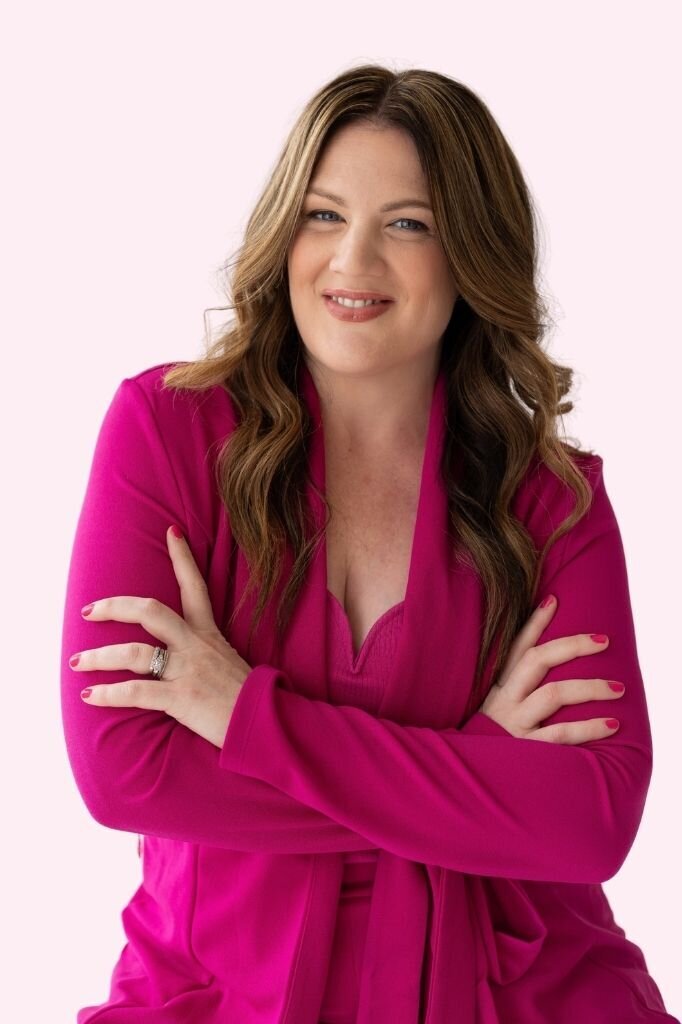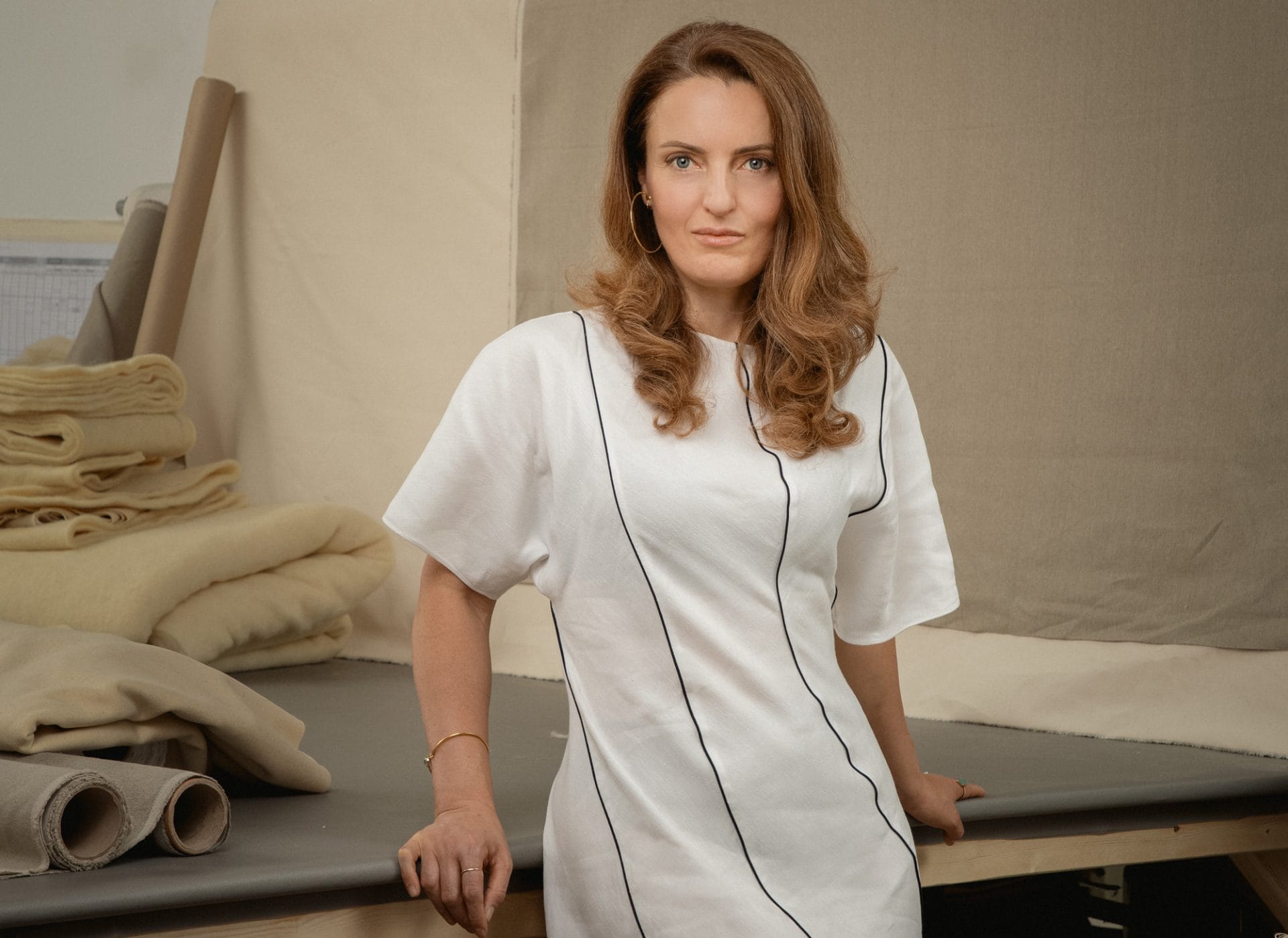
Rositsa Petrova is the founder and CEO of Home of Wool, a Sofia-based workshop that handcrafts organic wool mattresses, natural bedding and custom home décor for customers in more than 70 countries. A trained architect who left an architectural bureau to launch her own company in August 2014, she turned a personal search for a healthy home into a brand known for chemical-free, made-to-order wool products.
Her path is a useful case study for founders in any industry. It began with a health scare: while renovating an apartment for her newborn son, Petrova discovered that the synthetic materials she had carefully chosen were quietly working against her family. She spent five years looking for a remedy for her son's recurring allergic reactions and respiratory illnesses, and the answer she found — wool, used exactly as nature made it — became the foundation of a business that has now been producing wool-filled products for more than a decade.
Table of Contents
- From Architecture to Natural Bedding
- Why Wool Beats Foam and Synthetics
- Building a Workshop in Sofia
- Serving Customers in 70+ Countries
- A Growing Market for Natural Sleep
- Lessons for Other Founders
- Frequently Asked Questions
- Conclusion
From Architecture to Natural Bedding
Petrova trained as an architect at the University of Architecture, Civil Engineering and Geodesy in Sofia and spent several years working in an architectural bureau before leaving to start her entrepreneurial journey. That training still shapes how Home of Wool operates: complex shapes, unusual constructions and one-off briefs are resolved with the same logic she once applied to buildings.
The trigger for the switch was domestic. Her son was born into a freshly renovated home where natural wood had been replaced by synthetic alternatives — new mattresses, fresh paint, composite boards. Within months he began struggling to breathe. "I had absolutely no idea that modern synthetic materials could be harmful," she told InteriorDaily, adding that she realised she had "made things considerably worse without knowing it." Tracing the problem to volatile organic compounds (VOCs) in paints, glues and composite wood products, she replaced the furnishings with wood, wool and natural fabrics. The first night her son slept in the new environment, he breathed silently through the night.
That experience reframed her relationship with materials. "The bedroom is the one space in the home where materials stop being abstract," she later explained in Resident Magazine. "They stay in contact with the body for hours. If something holds heat, traps moisture, or releases chemicals, you feel it even if you can't name it." What started as a personal fix — handcrafted wool products for her own family — gradually turned into a catalog, and in August 2014 it turned into a company.
Why Wool Beats Foam and Synthetics
Home of Wool's product logic rests on one claim: wool is the only material that can go into a mattress exactly as nature made it, with no chemical transformation whatsoever. Cotton, natural latex and coir all require processing before they can function as a filling; wool does not, and that single property drives the brand's entire proposition.
Practically, wool thermoregulates, manages moisture and stays hygienic. "Wool absorbs and releases moisture very quickly, and it continues to thermoregulate even when damp," Petrova explained in her InteriorDaily interview. Synthetic foam does the opposite: it traps warmth and moisture in precisely the conditions where bacteria and dust mites thrive, while wool simply does not provide the environment those organisms need. Because the fibres are naturally resistant to dust mites and mould, untreated wool bedding also appeals to sleepers with allergies or chemical sensitivities.
The health argument is backed by independent research. A year-long study of 124 homes in Bradford, United Kingdom, published in Environmental Science: Processes & Impacts in 2025, measured indoor VOC concentrations and found that levels inside homes frequently exceeded those outdoors, with furnishings and consumer products identified as major contributors. A separate 2025 review in the Electronic Journal of General Medicine linked poor indoor air quality in European schools to respiratory issues, allergies and cognitive impairment, listing inadequate ventilation, VOCs and mould as contributing factors and describing children as particularly vulnerable. Consumers reading those findings increasingly ask what their mattress is made of — and certification labels give them a way to check. Under Global Organic Textile Standard (GOTS) labelling, a textile may be called "organic" only with at least 95% certified organic fibres, while "made with organic materials" covers 70–94%, and OEKO-TEX STANDARD 100 tests certified textiles against limits for specified harmful substances.
Building a Workshop in Sofia
Home of Wool is not a reseller: almost every item is cut, sewn and filled by hand in the company's own workshop in Sofia, and the team controls its entire production process in-house. Designers, architects and hospitality clients bring their own briefs, and the workshop resolves each one from scratch, which is why "almost nothing is standard."
That flexibility is exactly what Petrova's architectural background buys her. "If there is a complex shape or a difficult construction challenge, my training gives me a real advantage in finding the right solution," she said. "I genuinely do not think we could take on the custom projects we do without that foundation." The company also runs a zero-waste philosophy and offers private-label arrangements, and Petrova has said the workshop team can be scaled to meet increased demand — an important capability when a single bespoke mattress can carry more than 38 kg of certified loose wool.
The organisational footprint is deliberately modest. Home of Wool was founded in 2014 and is listed on LinkedIn with 15 employees and a company size band of 11–50, headquartered in Sofia. Petrova describes her growth philosophy as "slow, organic growth," with ethical sourcing and artisan craftsmanship held above volume. It is the same instinct that keeps production at home instead of chasing cheaper outsourced capacity.
Serving Customers in 70+ Countries
Home of Wool sells to customers in more than 70 countries while keeping its family-owned, made-to-order model — a combination that would be difficult to sustain without a genuinely differentiated product. The company's catalogue spans wool mattresses, toppers, pillows, cushions, seating fills and décor pieces, all customisable, plus pet beds built from the same hypoallergenic, breathable wool. "For us, it was always about providing pets with the same comfort and health benefits we can offer to their owners," Petrova has said of the pet line.
Demand has become visibly international and, recently, stronger. "We saw a noticeable increase in the last quarter of 2025 and it looks like 2026 is going to be a strong year for us," said Georgi Rolev, the company's operations manager, naming the United Kingdom, Germany, Denmark, Norway, Sweden and Australia as especially consistent markets. Pricing sits in the premium handmade segment: the brand's core wool mattress starts from US$958 on sale, against a regular starting price of US$1,198, with size, thickness and fabric driving the final total.
The brand has also learned to travel through editorial coverage rather than advertising alone, featuring in trade and lifestyle outlets such as InteriorDaily, Resident Magazine, GlobalPETS and Yahoo listings on home products — earned media that reinforces the health-and-materials narrative Petrova has been repeating since 2014.
A Growing Market for Natural Sleep
The commercial context favours what Home of Wool already does: the organic mattress market was valued at about US$8.14 billion in 2025 and is projected to reach roughly US$14.32 billion by 2032, a compound annual growth rate of 8.4%, according to market research firm Reanin. Tracking of sustainable mattresses points to roughly 7.6% yearly growth into the early 2030s, driven by demand for biodegradable or organically sourced materials instead of petroleum-based foams.
Certifications are increasingly the gatekeeper of that growth: GOTS, GOLS, OEKO-TEX and GREENGUARD credentials drive retailer onboarding and advertising approval, and products carrying multi-certified labels see stronger conversion. Petrova's insistence on GOTS- and OEKO-TEX-certified materials, long before the labels became a marketing requirement, is a strategic asset rather than a compliance chore. It also gives European buyers — the company's most active markets — an objective standard to evaluate when comparing a handmade Bulgarian mattress with a foam product shipped across the world.
Lessons for Other Founders
Petrova's journey offers a short list of transferable lessons. Start with a problem you have lived. Home of Wool exists because a mother could not find a safe mattress for her son, and that origin story still carries the brand's credibility. Let your previous profession do the heavy lifting. Architectural training is what allows the workshop to accept non-standard commissions that competitors cannot quote for. Grow slowly and on purpose. Slow, organic growth, in-house production and zero waste are constraints she chose, and they protect quality as orders rise. Treat certification as product strategy. Third-party standards turn a subjective "natural" claim into something a retailer or customer can verify. Repeat the message through earned media. A decade of consistent interviews has made Petrova the visible voice of wool in European bedding.
Founders building in adjacent spaces will recognise the pattern: Cathryn Lavery's move from architecture into entrepreneurship follows a strikingly similar logic, while our roundup of financial tips for building a sustainable women-led business covers the discipline behind staying independent. Anna Chalov's story with Bemuse, meanwhile, shows how transforming a tradition into a modern product can work in a completely different category.
Frequently Asked Questions
Who is Rositsa Petrova?
Rositsa Petrova is the founder and CEO of Home of Wool, a Bulgarian company that handcrafts organic wool mattresses, bedding and home décor. She studied architecture in Sofia, worked in an architectural bureau, and started the company in August 2014 after investigating how synthetic materials were affecting her newborn son's health.
What does Home of Wool sell?
Home of Wool makes custom wool mattresses, toppers, pillows, cushions, seating fills, décor pieces and pet beds, all filled with certified natural wool and made to order in the company's own Sofia workshop. The brand also accepts private-label and B2B projects for designers, architects and hospitality clients.
Why did Rositsa Petrova choose wool instead of foam?
Because wool can be used in a mattress exactly as nature made it, with no chemical process, while foam requires chemical transformation and can trap heat and moisture where bacteria and dust mites thrive. Petrova reached that conclusion after five years of investigating her son's allergic reactions and respiratory illnesses in a newly renovated home.
How many countries does Home of Wool ship to?
Home of Wool serves customers in more than 70 countries. The company reports particularly consistent orders from the United Kingdom, Germany, Denmark, Norway, Sweden and Australia, and it ships worldwide from its workshop in Sofia, Bulgaria.
Are Home of Wool products certified?
Yes. The company states that it works with 100% natural, GOTS- and OEKO-TEX-certified materials. GOTS labelling requires at least 95% certified organic fibres for a textile to be called organic, and OEKO-TEX STANDARD 100 tests certified textiles against limits for specified harmful substances.
How much does a Home of Wool mattress cost?
The brand's core wool mattress starts from US$958 on sale, against a regular starting price of US$1,198, and the final price depends on size, thickness and chosen cover fabric. Every mattress is hand-tufted and built to the customer's dimensions.
Conclusion
Rositsa Petrova built Home of Wool by treating a domestic health crisis as a design problem: she researched the materials, found wool, and then applied an architect's discipline to making it usable at scale — hand-tufted, certified, custom and shipped to more than 70 countries. Twelve years after its founding, the company sits inside a market growing at about 8.4% a year, with certifications and craftsmanship doing the persuading.
For other founders, the takeaway is that expertise rarely transfers in the obvious direction. The skills Petrova brought from architecture — solving unusual constructions, holding a standard, building slowly — turned out to be the hardest capabilities for a bedding company to copy. That is the durable advantage, more than any single product.
Sources
- IdeaMensch — Rositsa Petrova, CEO of Home of Wool (company origin, 70+ countries, zero-waste, architecture degree)
- InteriorDaily — "Choosing wool is not a compromise. It is a benefit for people and planet." (VOCs, wool properties, workshop and private-label operations)
- Resident Magazine — Luxury Sleep Design and Natural Wool Bedding Benefits (17 March 2026, bedroom materials quote, wool benefits)
- EZ Newswire / Home of Wool — Indoor Air Concerns Drive Shift Toward Natural Bedroom Materials Across Europe (22 January 2026, five-year health search, Q4 2025 orders, Bradford 124-home VOC study, 7.6% sustainable mattress growth)
- Reanin — Organic Mattress Market Size, Share & Growth (US$8.14bn in 2025 to US$14.32bn by 2032, 8.4% CAGR)
- Home of Wool — Our Story and Natural and Non-Toxic Mattresses and Pillows (workshop in Sofia, GOTS/OEKO-TEX labelling, mattress pricing)
- LinkedIn — Home of Wool company page (founded 2014, 15 employees, Sofia HQ)
- GlobalPETS — The pet bed market: Customizing comfort (pet bed line)