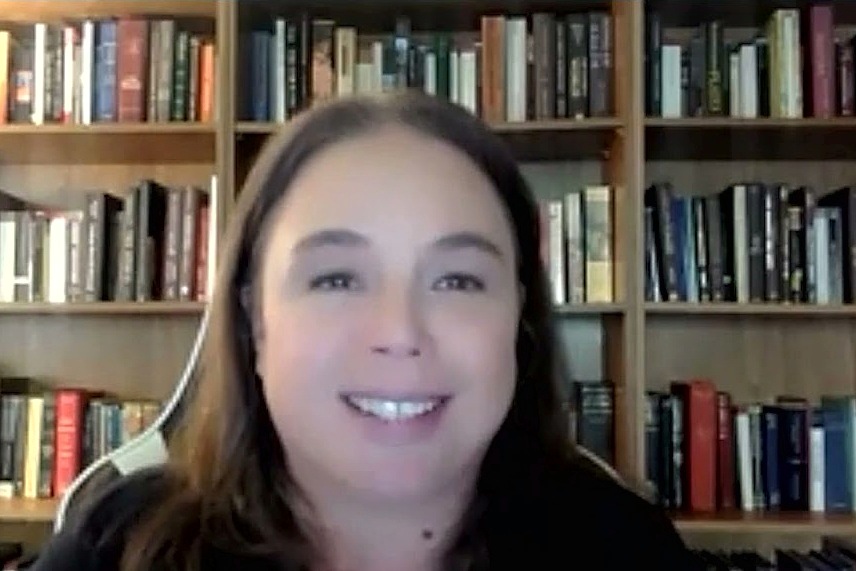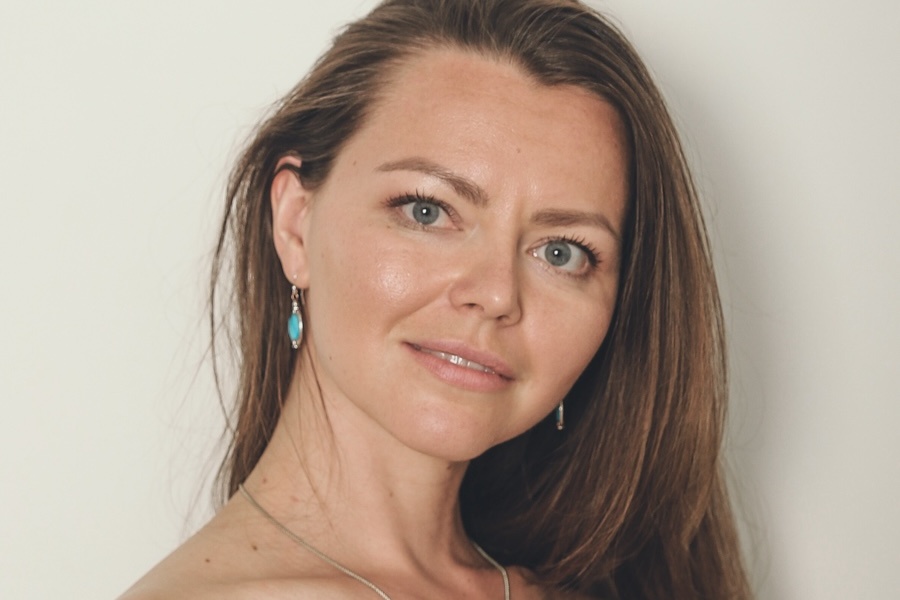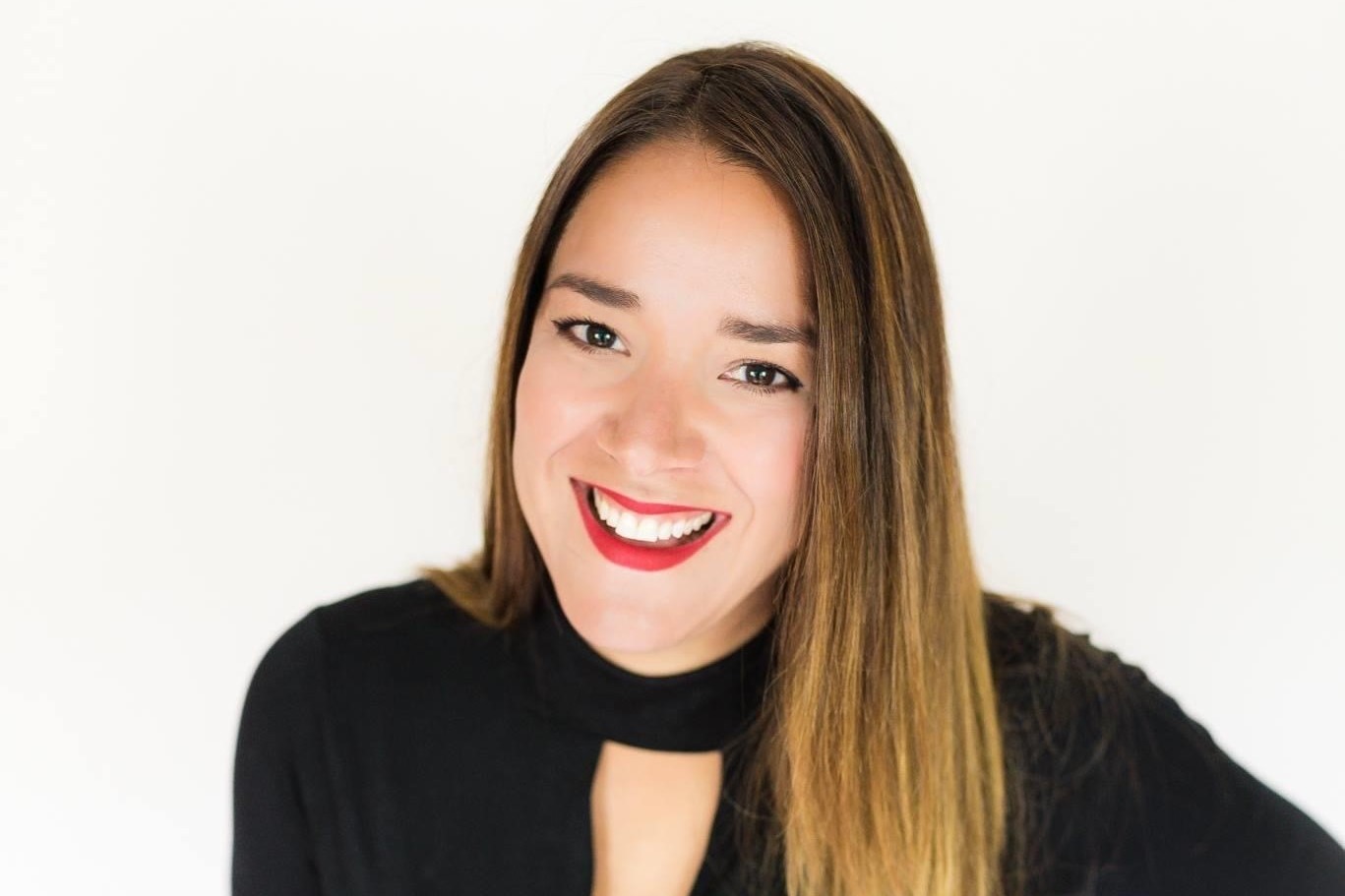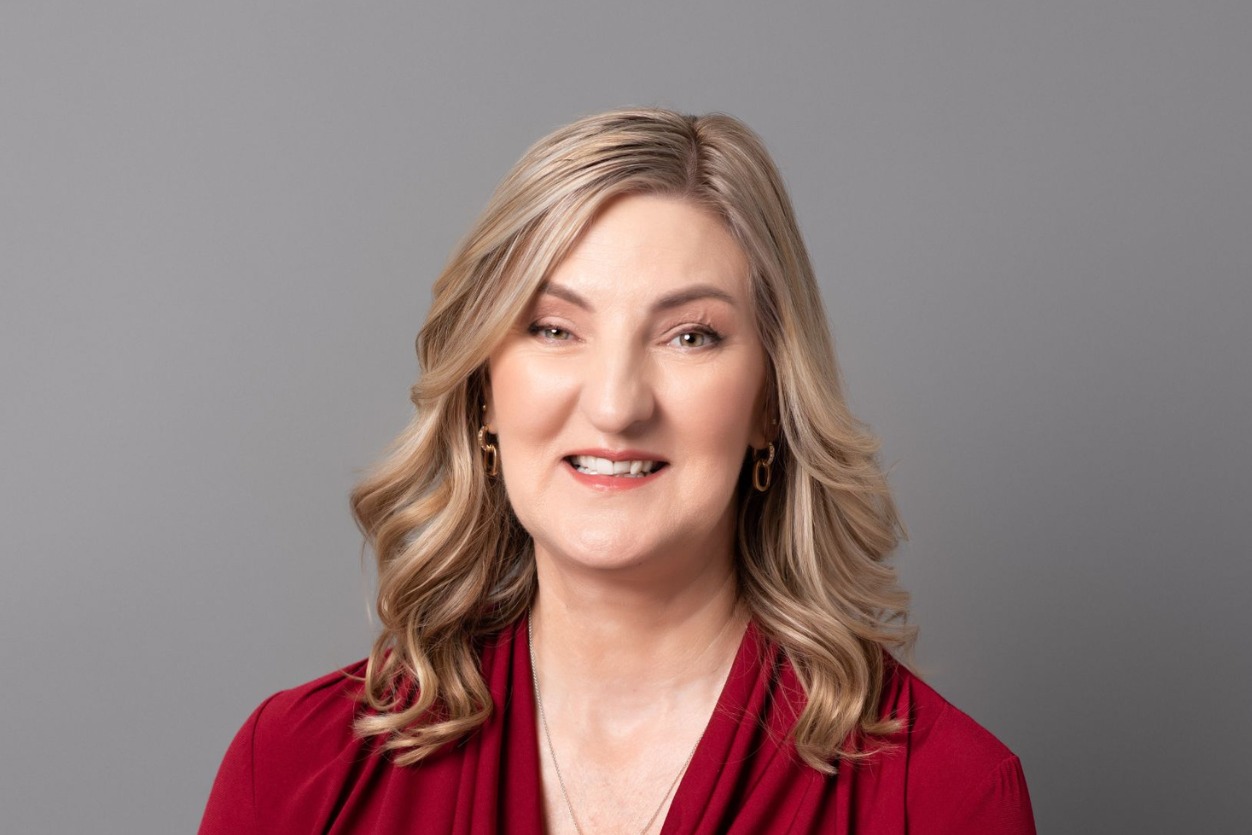
Susan Lindeque was seven years old when her aunt started buying shares for her with pocket money. That ritual in South Africa turned into a career spanning three continents, nine enterprise software implementations, a chartered accountancy qualification, and more than $1 billion in capital raised, invested, and managed. Today she is founder and CEO of Avestix Group, a women-led, women-owned investment firm built around alternative assets: commercial real estate, venture capital, private credit, digital assets, and the frontier technologies she believes will reshape how families hold wealth.
Her story is less a single breakthrough than a sequence of deliberate pivots. She started a company at 21, sold her first business at 23, spent years inside multinationals learning how systems actually work, then rebuilt her family office into an institutional platform other families can invest alongside. For women entrepreneurs trying to understand how capital moves, her path offers something more useful than inspiration: a working method.
Table of Contents
- From pocket money to a chartered accountant
- Nine SAP implementations and the corporate detour
- Building Avestix: from family office to platform
- Why alternative investments carry the growth
- Women, wealth, and the Fortuna network
- The operating playbook: five lessons
- What comes next
- Frequently Asked Questions
- Conclusion
From pocket money to a chartered accountant
Susan Lindeque's financial education started inside her family, not in a classroom. Her aunt worked in finance and invested a small allowance in shares on her behalf every month, and her father brought her into South African real estate deals while she was still a child. By the time she entered the workforce, she already understood that ownership, not salary, is what compounds.
She qualified as a chartered accountant unusually early, then took the entrepreneurial route instead of the corporate ladder: she founded her first company at 21 and sold it at 23. That early exit set a pattern she has repeated ever since, building something, proving it can stand on its own, and then moving to the next larger problem rather than defending the last one.
Nine SAP implementations and the corporate detour
Before she ran her own investment firm, Susan Lindeque spent years inside large multinationals, and that detour is the part of her résumé most founders underestimate. She served in leadership roles at KOMATSU Australia, the heavy equipment manufacturer, and as chief financial officer for the South African arm of MTU Solutions, a Rolls-Royce subsidiary focused on power systems. She has said she completed nine SAP implementations across her career, with roughly $700 million in enterprise resource planning systems deployed under her watch.
That experience gave her something a pure investor rarely has: a working knowledge of how organizations fail from the inside. Systems, back-end processes, reporting discipline, and financial control are exactly what break young companies as they scale. When she later evaluated businesses, she was not reading pitch decks, she was reading the plumbing.
She moved to Australia, built and ran businesses there, and eventually relocated to the United States. Avestix was launched about a decade ago, with the U.S. expansion accelerating after 2020, when she concluded the American market offered more flexibility and a deeper network than the locked-down Australian environment of that period.
Building Avestix: from family office to platform
Avestix Group began as her single family office. The original mandate was self-interested and precise: apply institutional discipline to her own family's capital, which she had already deployed across businesses, property, digital assets, and listed companies. Over time the office accumulated infrastructure that most families cannot build alone, including multi-jurisdiction structures, custody frameworks for digital assets, and a research function focused on emerging technology.
That infrastructure became the product. Avestix today describes itself as a women-led, women-owned emerging fund management firm specializing in alternative assets, serving family offices, ultra-high-net-worth families, next-generation investors, and retail investors. Its community arm, Avestix Frontier, is positioned as a third-generation family office opening its structures and network to a select circle of families, with a flagship retreat scheduled for May 2027 in the Cayman Islands.
The firm's own reporting puts the track record at more than $1 billion in capital raised, invested, financed, and project-managed, more than 100 private acquisitions completed, more than 70 opportunistic real estate assets acquired and managed, and about $86 million co-invested alongside partners, with a stated internal rate of return above 20 percent on realized positions. Those are self-reported figures, but they describe a portfolio built over 35 years rather than a single fund cycle.
"We provide an integrated financial portfolio solution for them so they can invest in real estate, venture capital, public markets and digital markets. I strongly believe that this is the way the future is to have an integrated investment portfolio between public and private markets."
Why alternative investments carry the growth
Alternative investments, in Susan Lindeque's definition, are everything outside traditional stocks, bonds, cash, and treasuries: real estate, private equity, private credit, venture capital, hedge funds, commodities, infrastructure, and tangible assets such as art and wine. Her argument is that this is where a generation of wealth will be created, and that the old model of parking money in an annuity for 25 years no longer produces the outcome people expect.
The firm allocates across two poles. The first is commercial real estate anchored in growing markets, where cash flow is legible and downside can be underwritten. The second is frontier technology: artificial intelligence, blockchain and digital assets, cybersecurity, the internet of things, fintech, and quantum computing. She began positioning the family office toward these sectors more than a decade ago, and has said the office entered Bitcoin as early as 2012, an early bet that later became a family apprenticeship: her eldest son, mentored in digital currencies, is now chief investment officer.
On the pace of change she is blunt. "Over the next 10 years, we will see more changes happening than what we've seen in the last one hundred years, just in terms of technology," she said in a 2025 interview. Her reading is that AI will sit at the center of business workflows, and that founders who treat it as an experiment rather than infrastructure will lose ground.
Women, wealth, and the Fortuna network
The gap Susan Lindeque keeps returning to is not confidence, it is access to education and decision rights. Preqin's Women in Alternatives 2024 report found 22 percent of alternatives professionals were women in January 2024, up from 17.5 percent in 2020, but that the share fell to 15 percent in senior positions. The same research counted 1,601 women-led general partners against roughly 50,000 active fund managers in its database, fewer than one in thirty.
On the founder side the numbers are harsher. PitchBook's 2024 US All In data shows companies founded solely by women received 2.1 percent of U.S. venture capital that year, even as female-founded companies raised $38.8 billion, a 27 percent year-over-year increase, and produced 13 new unicorns. Capital is arriving, but it is concentrated in fewer, later-stage companies, leaving the earliest and riskiest part of the pipeline underfunded.
Family offices are moving faster than the venture industry. Botoff Consulting's survey of 433 family offices found 29 percent had women in management roles and 16 percent said women were making the investment decisions, against a Deloitte average of 15 percent of family offices with women in leadership a year earlier. That shift is what Avestix is built to serve: the firm runs Avestix Fortuna, an initiative aimed at women investors and women-led businesses, alongside Avestix Empowerture, a peer-to-peer investor community.
Her framing of the opportunity is generational. Citing World Economic Forum analysis, she points to trillions of dollars expected to transfer to women over the next decade, much of it to women never taught to evaluate an investment. "I strongly believe we are entering the best wealth generation decade of our lives," she said. The condition attached to that optimism is education.
The operating playbook: five lessons
Across interviews and her own writing, her advice to founders and first-time investors is consistent and concrete.
Start with an amount you can lose. She suggests beginning with as little as $1,000 rather than waiting for a perfect entry point, because the first investment is about building the habit of evaluating risk, not about return.
Learn the asset before you buy it. Her own entry into finance came through someone who explained, month after month, what she owned and why. She argues women are routinely shut out of that education because household financial decisions have historically been made by men, leaving widows and divorced women exposed at the moment they most need competence.
Treat your network as an asset class. In her IdeaMensch interview she called a strong professional network the single strategy that most advanced her career: peers and mentors who give candid feedback, and access to opportunities that never reach a public process.
Put philanthropy inside the business. She believes integrating philanthropic initiatives into business strategy drives durable success, a position she acknowledges is rare in corporate settings. Her own focus areas are children's education, renewable energy, clean water, and housing in emerging economies, shaped in part by her youngest child's cerebral palsy.
Reflect on the calendar, not just the quarter. Her recommended habit is regular, honest review of whether personal goals and business objectives still point the same direction, which keeps founders humble as well as focused.
What comes next
Avestix's next phase is about infrastructure for other families rather than accumulation for one. The firm is building governed data environments and AI literacy programs for principals, betting that the next decade of family office competition will be decided by who can hold and use proprietary data safely.
For women building companies, the takeaway is not that a single exit changes everything. She accumulated three assets in sequence, technical credibility, operating discipline, and capital, then combined them into a platform other people could use. That is a slower path than raising a fund at 30, and a more durable one.
Frequently Asked Questions
Who is Susan Lindeque?
Susan Lindeque is a South African-born chartered accountant and entrepreneur, and the founder and CEO of Avestix Group, a women-led investment firm specializing in alternative assets. She has more than 35 years of experience across corporate finance, technology, commercial real estate, and venture capital, and has raised, invested, financed, and managed more than $1 billion.
What does Avestix Group do?
Avestix Group is a women-led, women-owned investment firm built on a single family office. It gives family offices, high-net-worth families, next-generation investors, and retail investors access to alternative assets, including commercial real estate, venture capital, private credit, digital assets, and frontier technology companies in AI, blockchain, cybersecurity, fintech, and quantum computing.
How did Susan Lindeque start her career?
She was introduced to investing at seven, when an aunt bought shares for her with pocket money each month. She qualified as a chartered accountant early, founded her first company at 21, sold it at 23, and then held senior finance and leadership roles at multinationals including KOMATSU Australia and the South African arm of MTU Solutions, a Rolls-Royce subsidiary, before founding Avestix.
What counts as an alternative investment?
In her definition, alternatives are everything outside traditional stocks, bonds, cash, and treasuries: real estate, private equity, private credit, venture capital, hedge funds, commodities, infrastructure, and tangible assets such as art and wine. She argues that an integrated portfolio combining public and private markets is the more realistic way to build and protect wealth over decades.
What is the Avestix Fortuna network?
Avestix Fortuna is the firm's initiative dedicated to women's wealth, combining a fund vehicle focused on women-led businesses with a network that connects women investors and entrepreneurs to experienced leaders. It sits alongside Avestix Empowerture, a peer-to-peer community for alternative asset investors.
What advice does she give women who want to start investing?
Educate yourself first, then start small: she suggests beginning with as little as $1,000 so the first decision is about learning rather than returns. She also stresses diversification, regular reflection on goals, and building a network of mentors, arguing that financial independence matters most at the moment life changes unexpectedly, through divorce, widowhood, or a business exit.
Conclusion
Susan Lindeque's career reads as a long argument for sequencing. She learned the mechanics of money as a chartered accountant, learned how organizations fail from the inside through nine SAP implementations, and only then began investing at scale. Avestix Group is now trying to solve a problem larger than her own balance sheet: getting more capital, and more competence, into the hands of women.
The numbers she cites make the case urgent. Women hold a fifth of alternative assets jobs but only 15 percent of senior roles, and companies founded solely by women still take home about 2 percent of U.S. venture funding. Her answer is to build the infrastructure, education, and network that let women allocate capital on their own terms. For founders, the transferable idea is competence first, then capital, then a platform other people can stand on. If you are mapping your own funding path, our guide to funding options for female founders and our breakdown of the venture capital landscape for women-led startups are practical next reads, alongside these financial tips for building a sustainable women-led business.
Sources
- Avestix — Our Founder: Susan Lindeque (career background, $1B+ capital, 100+ private acquisitions, 70+ properties, $86M co-invested).
- Susan Lindeque — official biography (first company at 21, business sold at 23, achievements including 20%+ IRR and $700M in ERP implementations).
- Avestix — "One-on-One with Susan Lindeque" (2025 interview: Bitcoin entry in 2012, quotes on AI and the coming decade, wealth transfer to women).
- Preqin — Women in Alternatives 2024 (22% of alternatives professionals, 15% in senior roles, 1,601 women-led GPs).
- PitchBook — 2024 US All In: Female Founders in the VC Ecosystem ($38.8B raised, +27% YoY, 13 new unicorns, 2.1% of US VC for solely female-founded companies).
- Avestix — "Study: Women Taking Charge of Family Offices" (Botoff Consulting survey of 433 family offices: 29% with women in management, 16% with women making investment decisions; Deloitte 15% benchmark).
- IdeaMensch — interview with Susan Lindeque (network strategy, philanthropy, advice to founders).